Electrical Telecommunication and Computer Engineering
The Department of Electrical Telecommunication and Computer Engineering supports electrical, telecommunications and computer engineering systems, student mentorship and 20 active programmes within School of Engineering and Applied Sciences at the Western Campus.
The Department of Electrical, Telecommunications and Computer Engineering under the School of Engineering and Applied Sciences at Kampala International University offers three disciplines; Electrical, Telecommunication and Computer Engineering in both postgraduate and undergraduate programmes. The department is comprised of best academic staff from around and beyond Africa.
We are engaged in the pursuit and dissemination of knowledge across a wide range of areas of engineering and applied sciences from fundamental aspects through to the technologies that have revolutionized our world, such as microelectronics, control systems, power systems, telecommunication systems, embedded systems, and networks. We deliver practical outcomes in the mentioned fields such that students are able to tackle the real challenges facing society.
The Department has produced hundreds of professionals and has established a name for itself in the country and abroad. They have consistently excelled in the highly competitive industrial environment and top-ranking companies. I attribute this success to the winning combination of the dedicated departmental staff members that work hard at imparting quality education and well-planned curricula for the students.
Learning is a continuous process and does not end with the acquisition of a degree, especially because steady and rapid advances in engineering technologies shorten the life of engineering tools and techniques prevalent today. Therefore, we do not aim to make our students câ¬Ëwalking manuals of light and heavy currentcâ¬âc only. Instead, they are given a strong foundation in the two aspects and problem-solving techniques combined with rigorous and innovative research, and are made adaptable to changes.
Objectives
The objective of the department is to equip students with appropriate knowledge and skills to enable them to
- Advance their higher education in research and development in the electrical, telecommunication and computer engineering fields and interdisciplinary areas to emerge as researchers, experts, and designers;
- Acquire theoretical and practical knowledge, skills and talents needed in the world of work;
- Be employable to work in various fields like industries, government and other institutions in order to meet the Millennium and Sustainable Development Goals (i.e. Eradication of Poverty and Education for All)
- Be entrepreneurs, self-employed and job creators
- Inculcate creativity and innovativeness into engineering practice
- Be firmly grounded with ethics in engineering and develop them to meet the challenges of work and socio-economic environments
- Have a broad range of knowledge and skills necessary for a career in engineering
- Develop skills in construction technology, production and project management
- Have the ability to plan, design, and tender for and execute construction projects by working for and with other partners or by self-employment.
- Upgrade and update their technical knowledge in the respective specialised fields of computer engineering.
- Attain qualifications to meet the needs of staff development for universities, technical colleges, and the industry.
Mission
The department strives to:
- Educate students and provide them with the skills they need to design, assess and improve electrical, telecommunications and computer systems.
- Prepare students for professional careers and advanced studies.
- Serve as a resource of electrical, telecommunications and computer engineering expertise at the local, regional and international levels.
- conduct high-impact research of technical influence and recognized excellence
Vision
The departmentcâ¬âcs graduates will:
- Use their electrical, telecommunications and computer engineering education to start on a well-informed career path.
- Acquire engineering skills and technological knowledge needed to design, assess and improve electrical and electronic systems.
- Become world-class innovators and researchers through dedicated department academic staff and strong relationships with a wide range of industries.
- Understand the basic principles that underlie modern electrical, electronic and computational technology.
- Take on marketing positions in technology companies, and pursue research opportunities.
Philosophy
We regard every student as having the ability to attain excellence through the acquisition of knowledge and moral values so as to become productive graduates capable of participating and developing knowledge to better understand the 21st century skills in science, technology, engineering and innovation, for the development of self, society and nation.
Core Values
The Department is committed to providing a conducive teaching and learning environment tailored at producing excellent graduates who are:
- Creative
- Innovative
- With good moral standards
- Competent enough to drive the industrial revolution in the area of Electrical, Telecom, and Computer engineering thus meeting the needs of the engineering job market.
Leadership
Published academic leadership assignment for this department.
Dr Shuaibu Nuhu Aliyu
HOD
Staff members
Select a campus to view published staff records attached to this department.
Main Campus
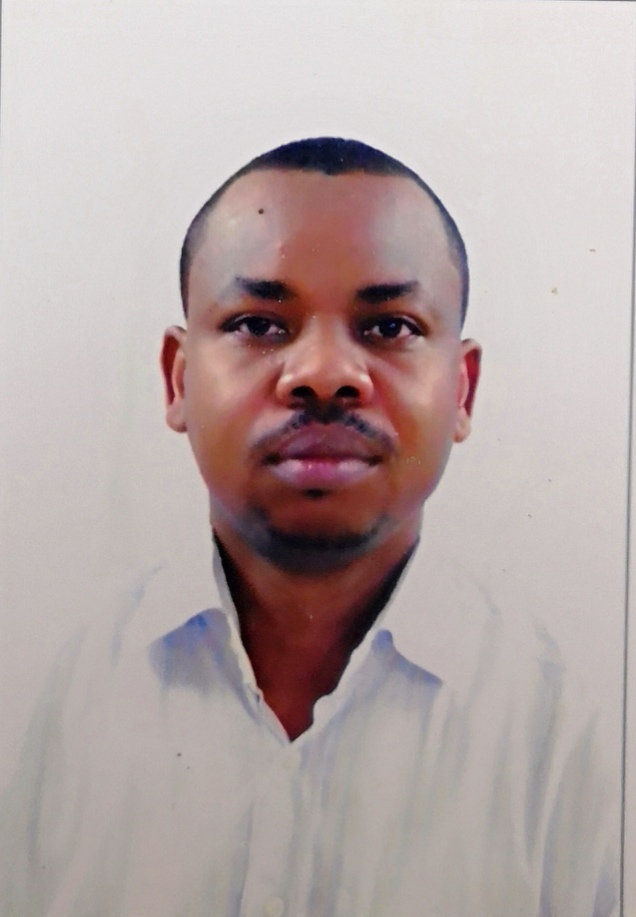
Dr Mohammed Musa Mohammed Musa
Senior Lecturer

Assoc. Prof Mussaab I. Niass
Ag. Deputy Director in charge of Teaching, learning and Academic Affairs
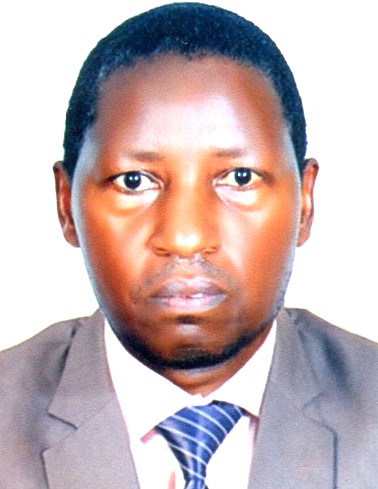
Mr Nalima Joshua
Assistant Lecturer
Western Campus
AKANKWATSA ALAPHAT
Teaching Assistant
ALAA ALDEIN MOHAMED SULIMAN IBRAHIM
Senior Lecturer
Mr. Almenares Varela Alejandro
Assistant Lecturer
Mr. Ambrose Mugarura
Teaching Assistant
Dr. Anania Mbabazi
Senior Lecturer
Mr. Anthony Ejeh Itodo
Assistant Lecturer
Mr. Caleb Mwesigwa
Teaching Assistant
Mr. Chibueze Nwamouh Ubochi,
Assistant Lecturer
Ms. Chinyere Nneoma Ugwu
Assistant Lecturer
Mr. Darius Kanyesigye
Lab Technician
Prof. Davies Rotimi
Professor
Dr. Ezekiel Oluwaseun Nnadi
Senior Lecturer
Mr. Gilbert Ahereza
Assistant Lecturer

Dr Guntreddi Venkataramana
Associate Professor
Dr. Ibrahim Danjuma Yale
Senior Lecturer
Mr. Jacques Ndayizigiye
Lab Technician
Dr. Joseph Ebosetale Okhaifoh
Associate Professor
Ms Kabonire Recheal
Secretary
Mr. Kamoru Alamu Lasisi
Assistant Lecturer

Assoc. Prof Kelechi John Ukagwu
ASS PROFESSOR

Dr. Kolawole Adisa Olonade
Senior Lecturer
Mr Mugizi Dreck
Teaching Assistant
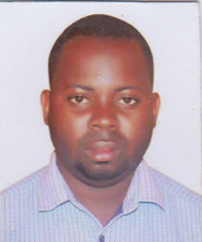
Mr Muhumuza Ronald
Lecturer
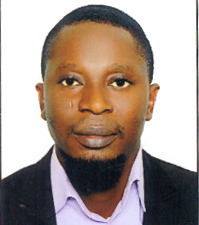
Dr Mutiu Shola Bakare
Lecturer
Ms. Nancy Amarachi Boniface
Assistant Lecturer
Dr. PalaniKumar S.
Senior Lecturer
Mr. Raymond Muhumuza
Assistant Lecturer
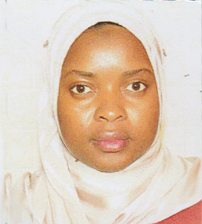
Ms Shabiluh ASaba
Assistant Lecturer /Manager Grants & Partnerships
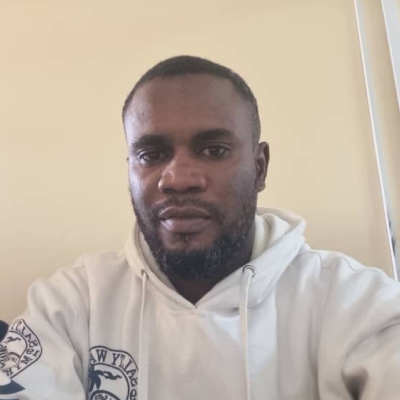
Dr Udoka Val Hyginus Eze
Lecturer
Ms. Zaina Kalyankolo
Assistant Lecturer
Mr. Zakaria Mukiibi
Assistant Lecturer
Dr. Zebeda Ukundimana
Lecturer
Campus not specified

Ms Ainembabazi Tinah
Lab Technologist
Dr Asiimwe Eva
Associate Dean

Mr Niwebyona Gaspar
Assistant Lecturer