Jun
KIU Student Bags Gold Medal for Uganda at East Africa Karate Championships
June 3, 2026, 9:18 am
 Nakanwagi Annet
• February 27, 2026, 9:26 am
Nakanwagi Annet
• February 27, 2026, 9:26 am 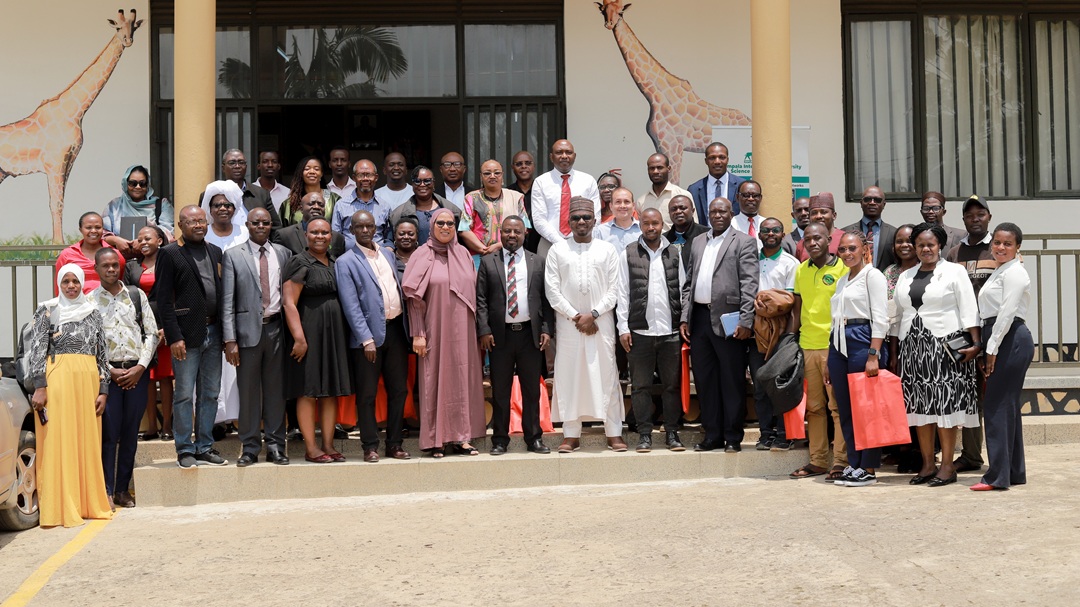
KIU, Western Campus – On February 27, 2026, Kampala International University, Western Campus (KIU-WC) through the Directorate of Research, Innovation, Consultancy and Extension (DRICE) in partnership with the School of Allied Health Sciences (SAHS) hosted a pivotal lecture on youth substance abuse, shedding light on a pressing public health concern affecting the community.
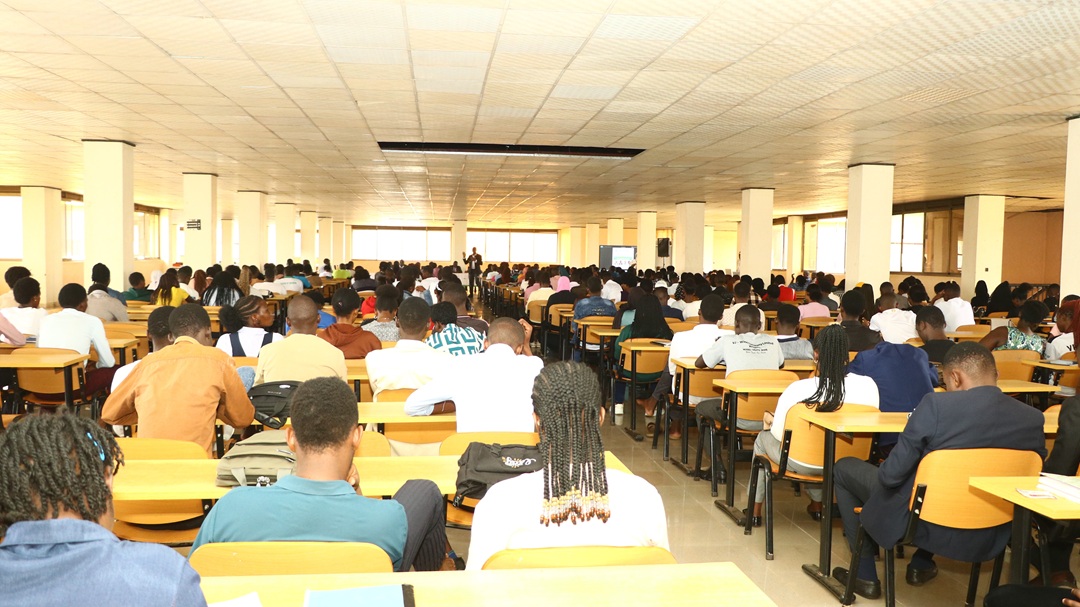
The event, themed "Confronting a Silent Epidemic: Youth Substance Abuse and its Hidden Costs in Bushenyi District, Western Uganda," with a sub-theme: Launching a Policy Brief on Evidence-Based Findings And an Action Framework For Prevention And Response, brought together staff, students, district leaders, and the general public to discuss ways to address this scourge.
In his welcoming remarks, Prof. Aja Patrick Maduabuchi, Director of RICE, highlighted the devastating impact of substance abuse on productivity. "When you are not mentally and physically sound, you cannot contribute positively to society," he said, stressing the need for more research to tackle this issue locally and globally.
Assoc. Prof. Eric Mabonga, Deputy Vice Chancellor (DVC), KIU-WC, echoed this sentiment, noting that academic knowledge often remains shelved without community engagement. "This isn’t an ordinary study; it’s to inform academicians, policymakers, and the rest that this knowledge is meant to benefit us all," he said.
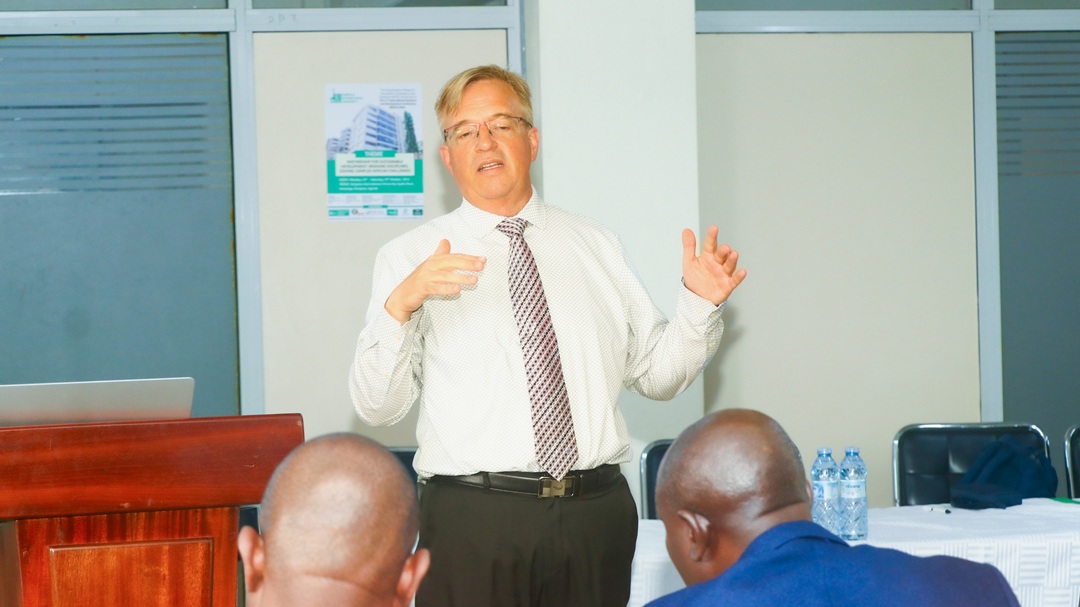
The presenter, Dr. Umi Omar Bunu, CEO of KIU Teaching Hospital and Research (KIU-THR), highlighted alarming statistics, revealing over half of Bushenyi's youth are engaged in substance abuse, with alcohol being the most abused. "Most psychiatric and accident cases reported are alcohol and substance-induced," she revealed, citing peer influence, social media, and Western culture as primary catalysts.
She elaborated that the study revealed a complex interplay of factors contributing to substance abuse, including easy access to substances, lack of awareness about the risks, and underlying mental health issues.
According to Dr. Bunu, the demographics were telling; by gender 61.6% of substance abusers are male, while by employment; 42.2% are self-employed, 22.3% unemployed, and 28.9% employed. And education-wise, 27.5% of users only made it to primary level, showing lower education links to higher use.
In the same vein, Dr. Matthew Chibunna Igwe, a Public Health Specialist from the Department of Public Health, emphasized that substance abuse is a serious and underreported issue, labelling it an "epidemic" that demands collective action. "It's an epidemic because it's everywhere, and it's time we all take action to prevent it," he stressed.
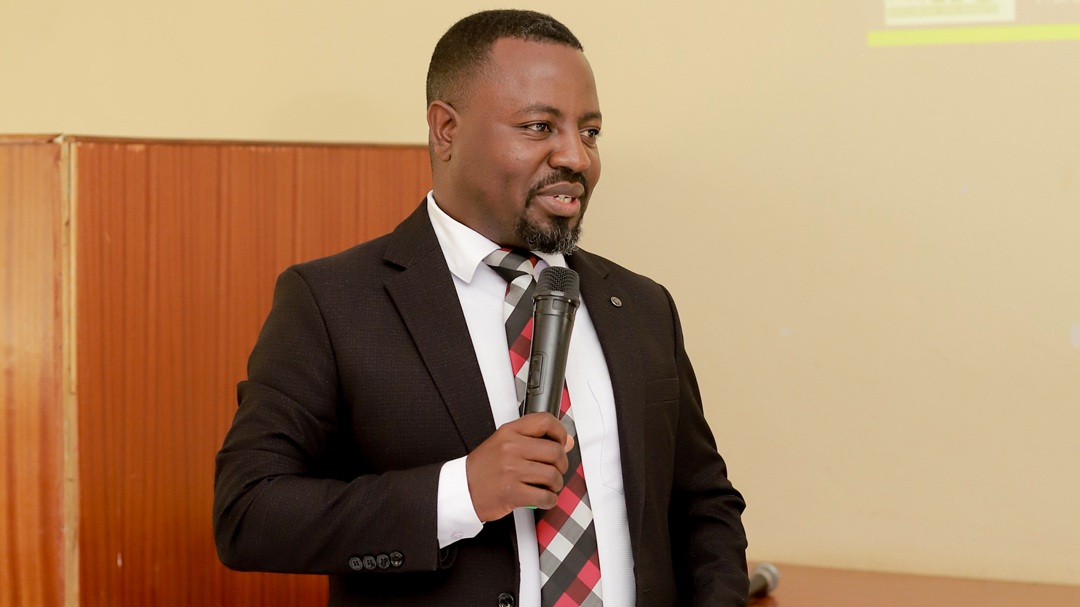
Speaking further, Dr. Stephen Bwekingo Twinomugisha, Bushenyi District Health Officer (DHO), highlighted the silent struggles of many with alcoholism, nutrition, and mental health issues. "Let us tap into Parish Development Model (PDM) program for youth social economic empowerment to keep them busy," he suggested, advocating for integrated mental health services at health centres.
Godfrey Achiria, the greater Bushenyi regional police commander, linked substance abuse to criminal offenses, urging parents to nurture responsible citizens. "We shall work with the university to create awareness against this vice," he pledged.
In his presentation on policy brief and action framework, Dr. Bot Yakubu Sunday, Assistant DVC Finance and Administration, emphasized collective responsibility in tackling substance abuse. "The age bracket we focused on comes from family units with many irregularities; religious leaders and all stakeholders have a role to play," he said, noting that most victims cope with stress through substance abuse, requiring stronger laws and regulation.
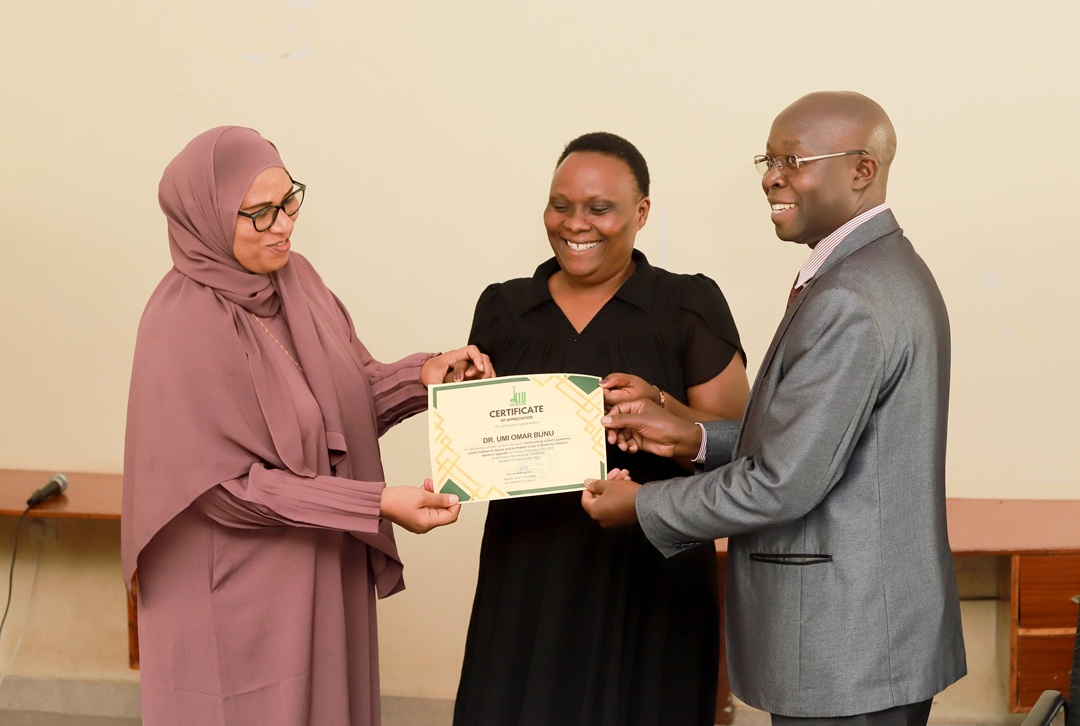
The event wrapped up with an award ceremony honouring Dr. Bunu, followed by a group photograph. The lecture marked a significant step towards addressing substance abuse among Bushenyi's youth.
Kampala International University, Box 20000, Ggaba Road, Kansanga, Kampala
+256-760 502660
+256-700 100808