Jun
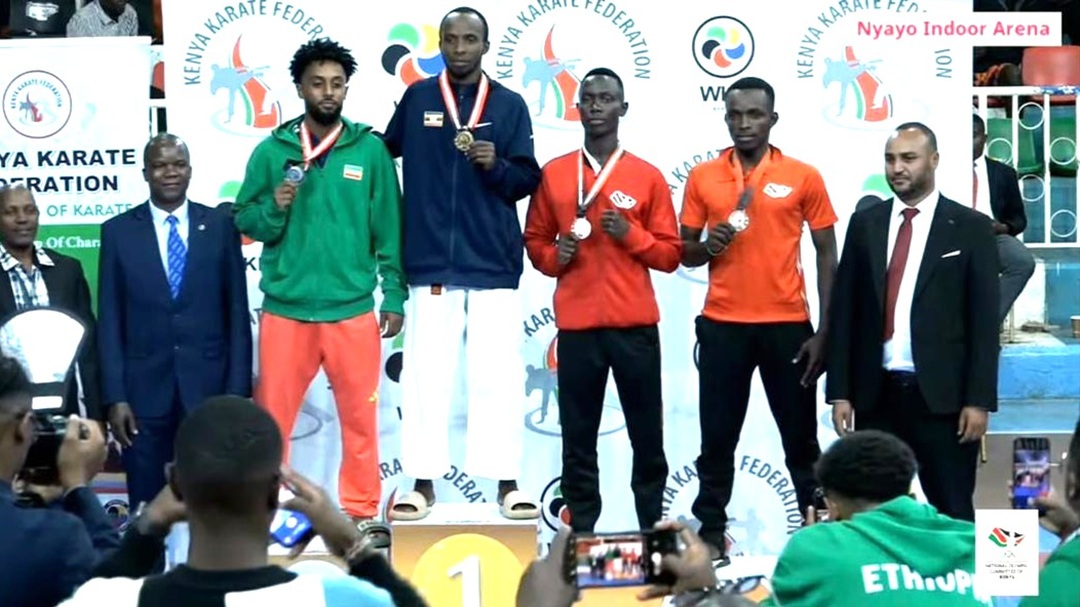
KIU Student Bags Gold Medal for Uganda at East Africa Karate Championships
June 3, 2026, 9:18 am
 Agnes Kiconco
• March 13, 2026, 10:13 am
Agnes Kiconco
• March 13, 2026, 10:13 am 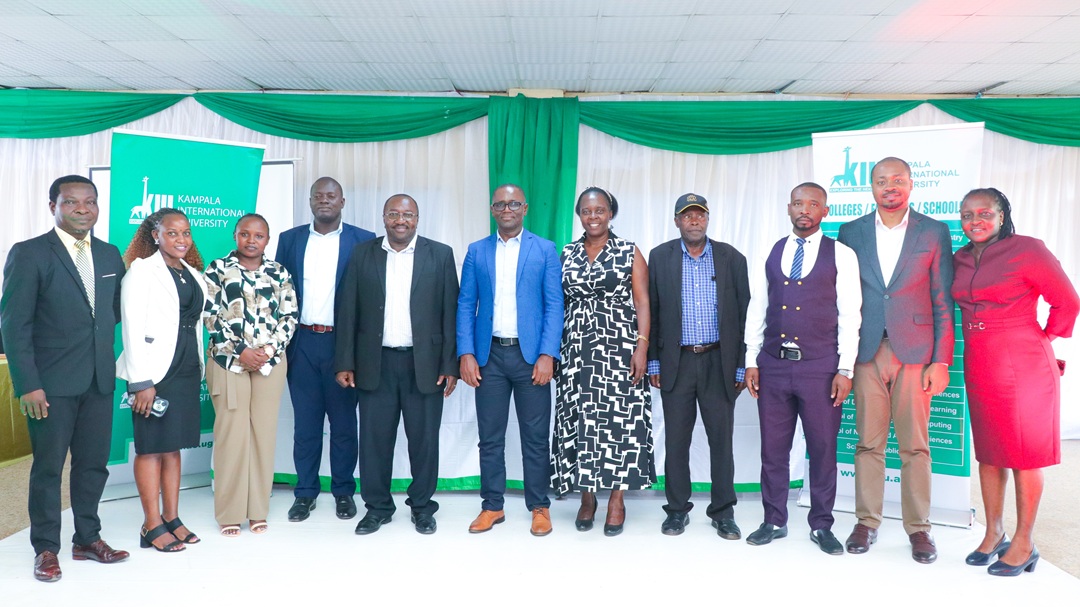
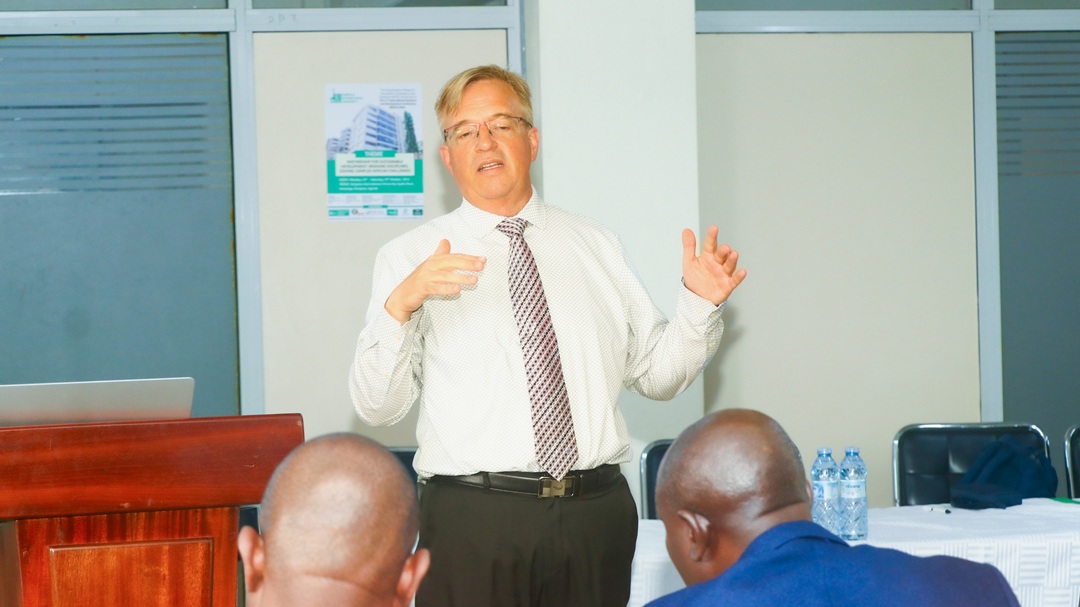
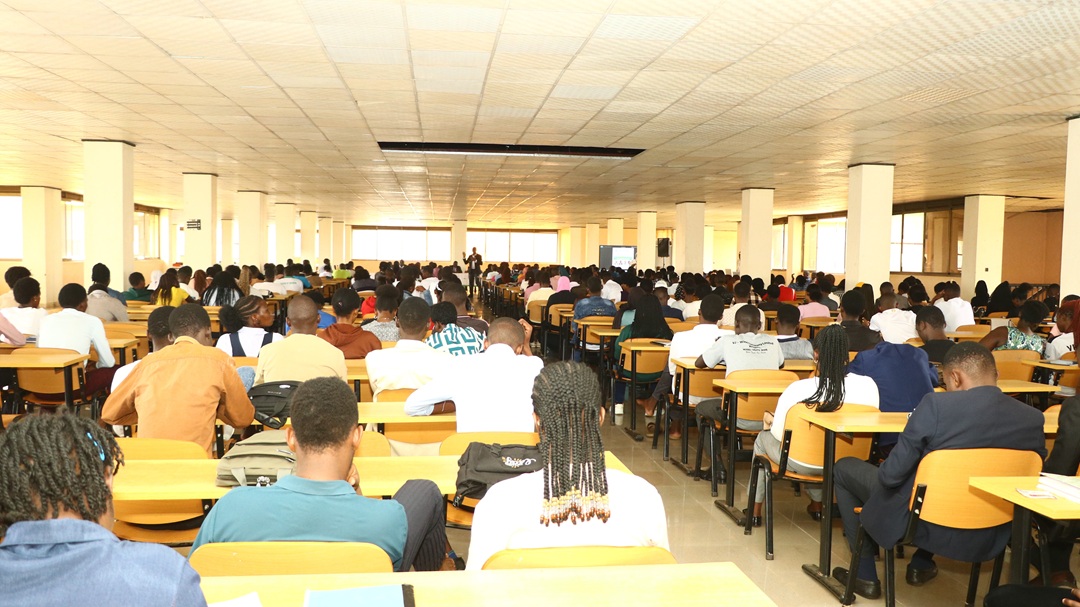
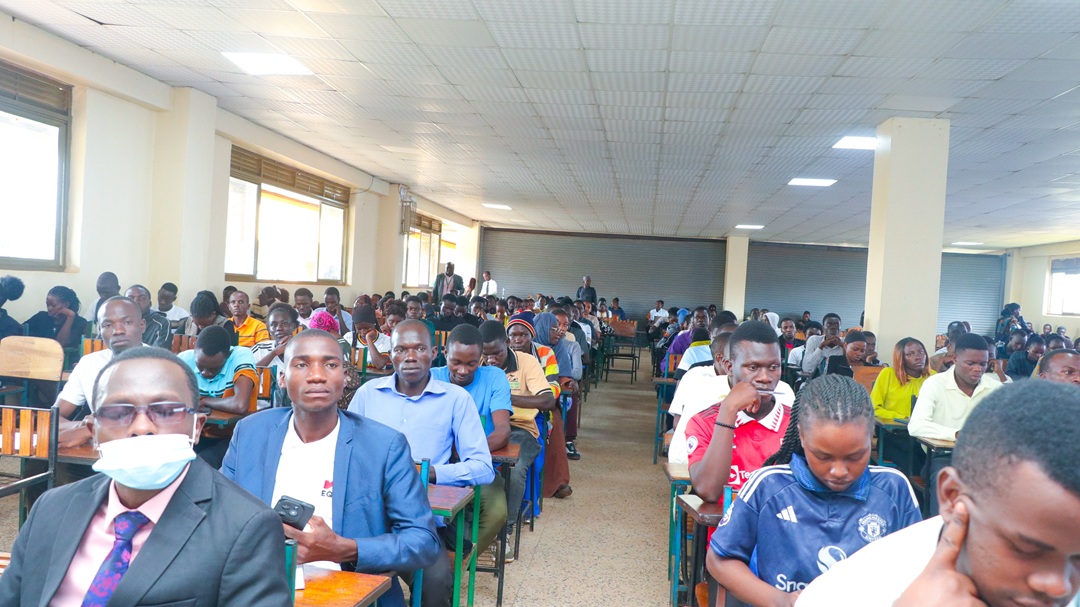
KIU, Main Campus - On Thursday, March 12th, 2026, Kampala International University (KIU) Main Campus hosted a thought-provoking public lecture under the theme: “The Question of Intelligent Design: We Follow the Evidence Where it Leads.” The event brought together students, Deans, Principals, and administrators, sparking dialogue at the intersection of science, philosophy, and evidence.
Organized by the College of Education, Open and Distance Learning, the School of Natural & Applied Science, and the School of Mathematics & Computing in collaboration with BioCosmos Uganda Foundation, the lecture provided a platform for rigorous academic discussion and intellectual exchange.
Opening Remarks
Christine Ainebyoona, Deputy University Secretary, emphasized the importance of nurturing students through such conversations. She noted that engagements of this nature advance knowledge and encourage intellectual curiosity within universities and research institutions. She commended BioCosmos Africa for building networks of scholars across the continent, urging students to actively participate, ask questions, and build collaborations that could lead to future research.
Her reminder to silence phones and focus on the lecture underscored KIU’s commitment to hands-on learning and meaningful engagement with guest speakers.
Key Presentations
Dr. Richard Ochieng, Director of Operations, BioCosmos East Africa, gave background on BioCosmos Africa’s mission to establish resource centers across the continent. He highlighted ongoing projects, student clubs at Makerere and Kyambogo Universities, and expansion plans into Rwanda, Ethiopia, and beyond.
Isaac Mutono, Administrator of BioCosmos Uganda, explored the origins of the universe, life, and human species, presenting intelligent design as a scientific theory that explains certain features of life through intelligent cause rather than unguided natural processes. He stressed that science and theism are complementary, not contradictory.
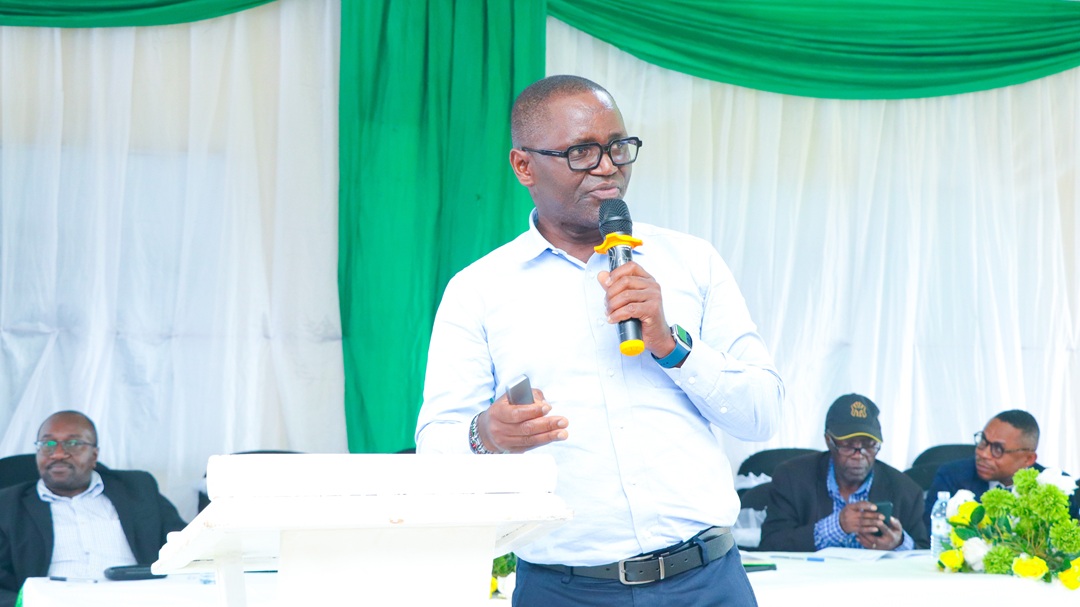
Dr. Joel Isanga (Makerere University) examined DNA under the theme “Accident or Architecture/Design?” He illustrated how a single amino acid change can lead to sickle cell disease, affirming DNA as evidence of design.
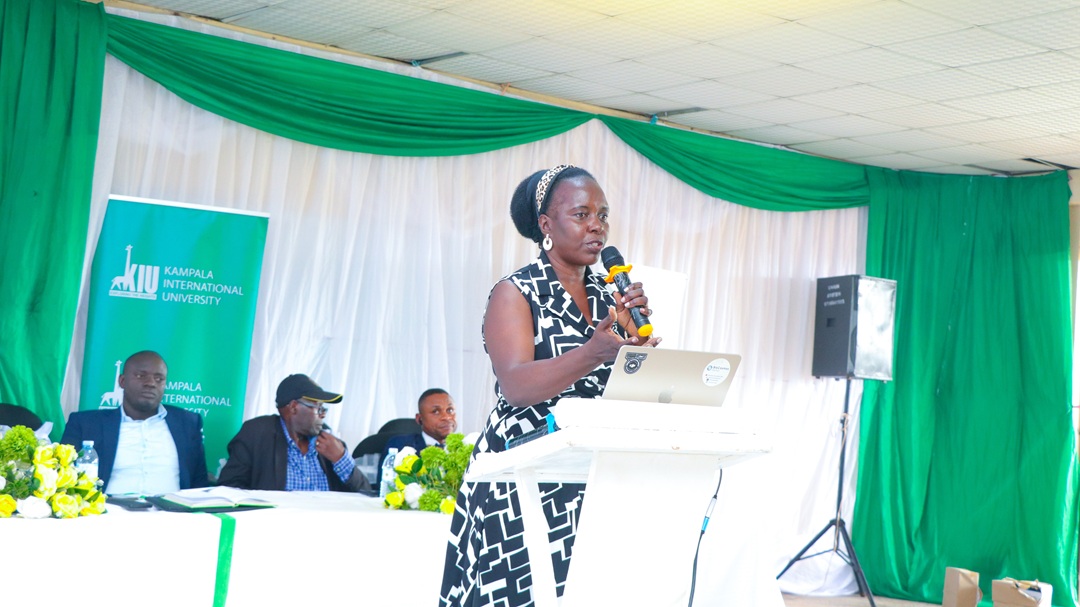
Dr. Barbara Nerima highlighted the concept of irreducible complexity within the oxygen transport system, noting that its many interdependent parts must function together flawlessly to sustain life.
She noted that the oxygen transport system is composed of several interdependent and finely matched components that must function in harmony. "If any of them is removed or defective, the system will either fail or not work efficiently," she stated.
To illustrate this, Dr. Nerima pointed out that an adult consumes the equivalent of about 18 jerricans of oxygen daily (each holding 20 liters), an immense demand that underscores how vital it is for every component of the system to work efficiently to meet this requirement.
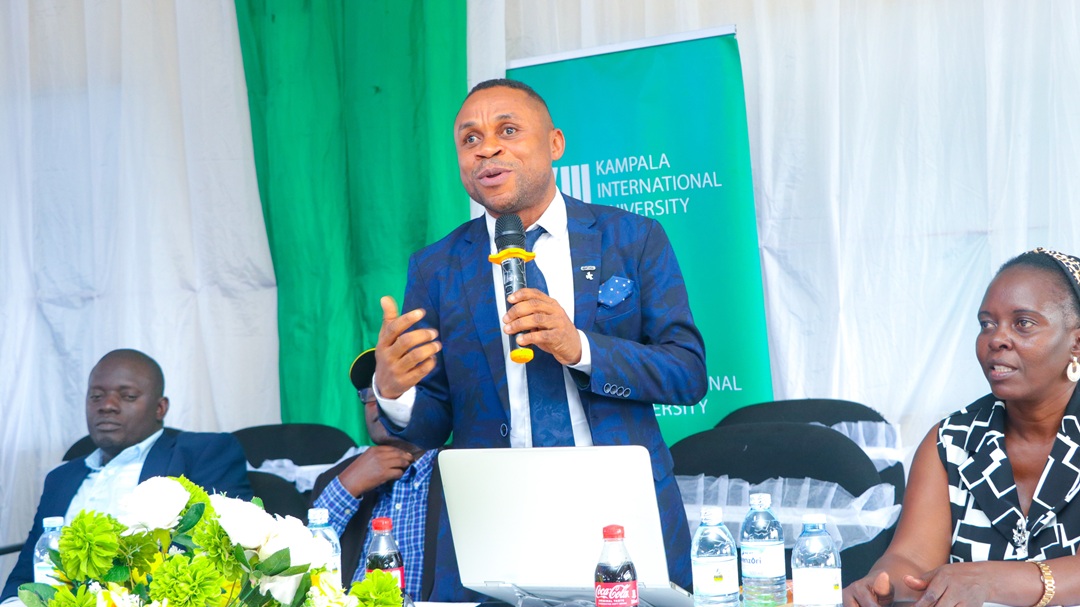
Dr. Idara Okon, Lecturer in Physiology at KIU Western Campus, reflected on the ethical implications of scientific research and encouraged students to explore intelligent design courses, sharing her own journey since 2024.
Dr. Jacob Eneji Ashibi, KIU Deputy Vice Chancellor (Academic Affairs), stressed the importance of bridging “town and gown” to ensure complete learning.
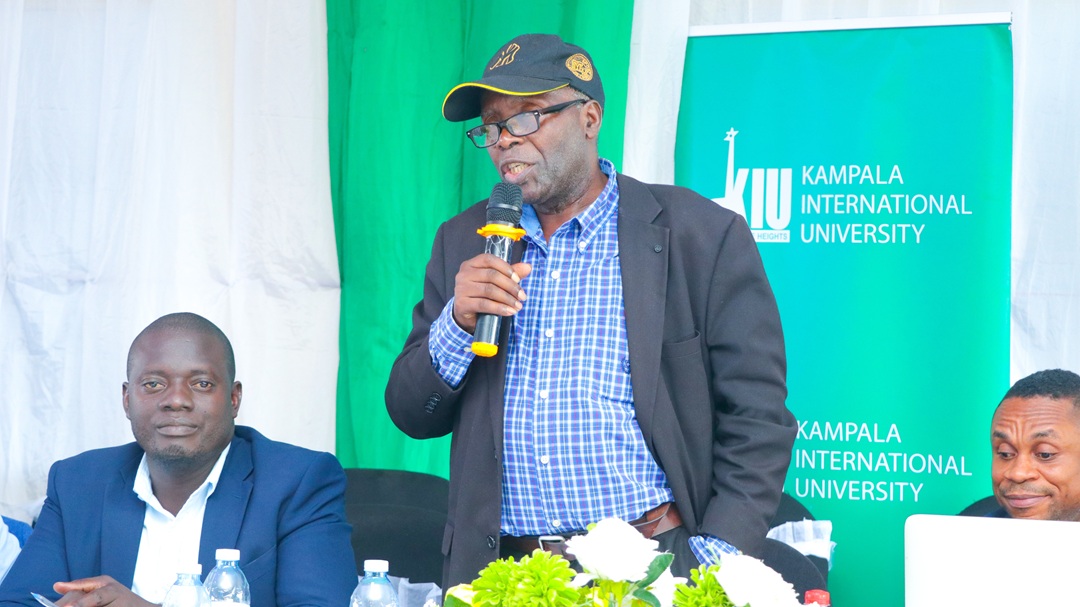
Prof. Charles Twesigye, Professor of Genetics, Genomics and Molecular Epidemiology at Kyambogo University observed that evolution and genetics have not been properly taught in many contexts, but emphasized that with modern technology, this gap is rapidly closing. He urged students to take advantage of new technological tools to deepen their understanding and research capacity.
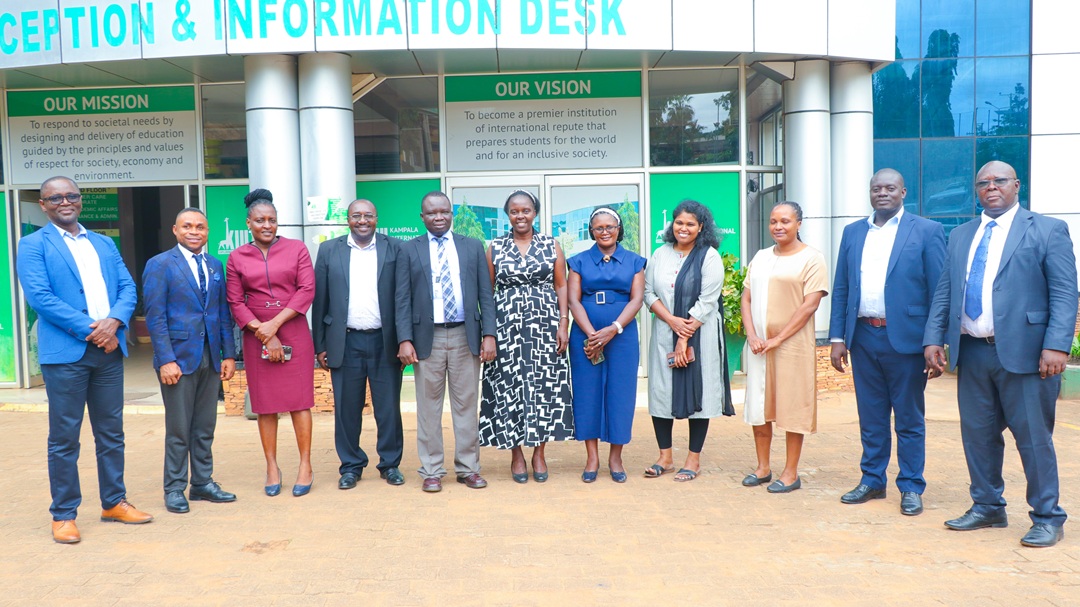
BioCosmos delegates, later met with met with Dr. Mundu Mustafa, KIU Deputy Vice Chancellor for Finance and Administration, representing Prof. Muhammed Ngoma, to strengthen collaboration and discuss future collaborations
Takeaway
Dr. Wanjala Gidraf Joseph, Principal of the College of Education, captured the spirit of the day:
“Engagements like these sharpen critical thinking and inspire our students to see knowledge not as isolated facts, but as interconnected truths that shape society.”
Kampala International University, Box 20000, Ggaba Road, Kansanga, Kampala
+256-760 502660
+256-700 100808