Jun
KIU Student Bags Gold Medal for Uganda at East Africa Karate Championships
June 3, 2026, 9:18 am
 Agnes Kiconco
• January 13, 2026, 7:31 am
Agnes Kiconco
• January 13, 2026, 7:31 am 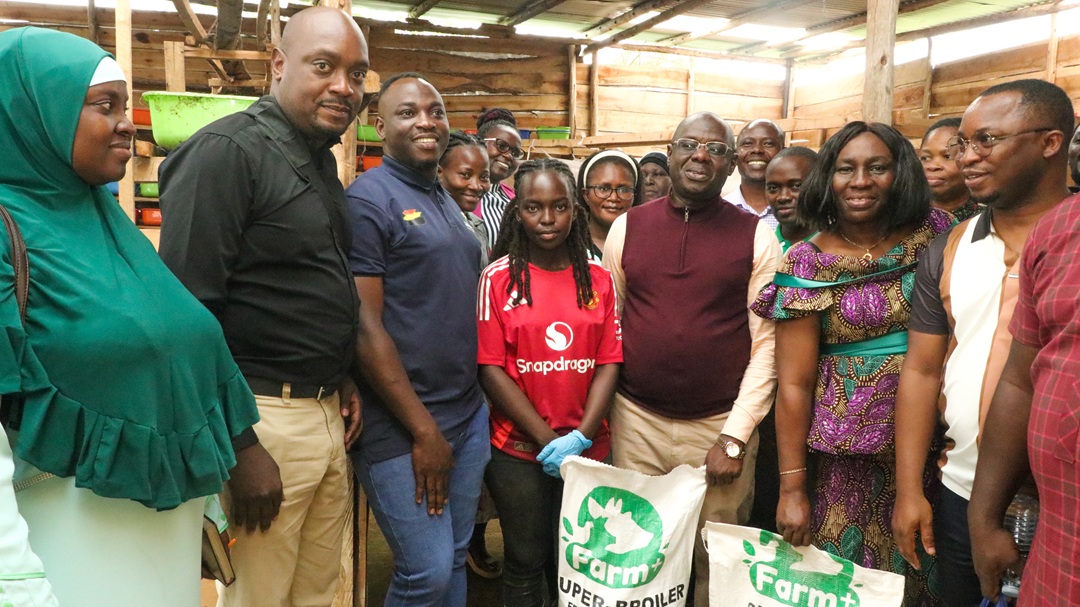
KIU, MAIN CAMPUS — Kampala International University (KIU) consolidated its position as one of Uganda’s most progressive multi-campus universities following a high-level benchmarking mission to Jangu International and Gejja Women Foundation in Mpigi on Friday, 9th January, 2026, led by Vice-Chancellor Prof. Mohammed Ngoma.
In Uganda and other developing countries, high education costs and unemployment demand sustainable job creation. STEM-based, practical learning is vital to drive growth, yet traditional theory-heavy models have widened the skills gap. KIU’s reform-driven approach seeks to close this gap by preparing graduates for industry, enterprise, and national development.
Under the leadership of Vice Chancellor Prof. Mohammed Ngoma, KIU is advancing practical, field-based learning in line with reforms from the National Council for Higher Education (NCHE), positioning graduates to be industry-ready. This strategy reflects KIU’s broader commitment to move education beyond theory into demonstrable skills, enterprise creation, and community impact.
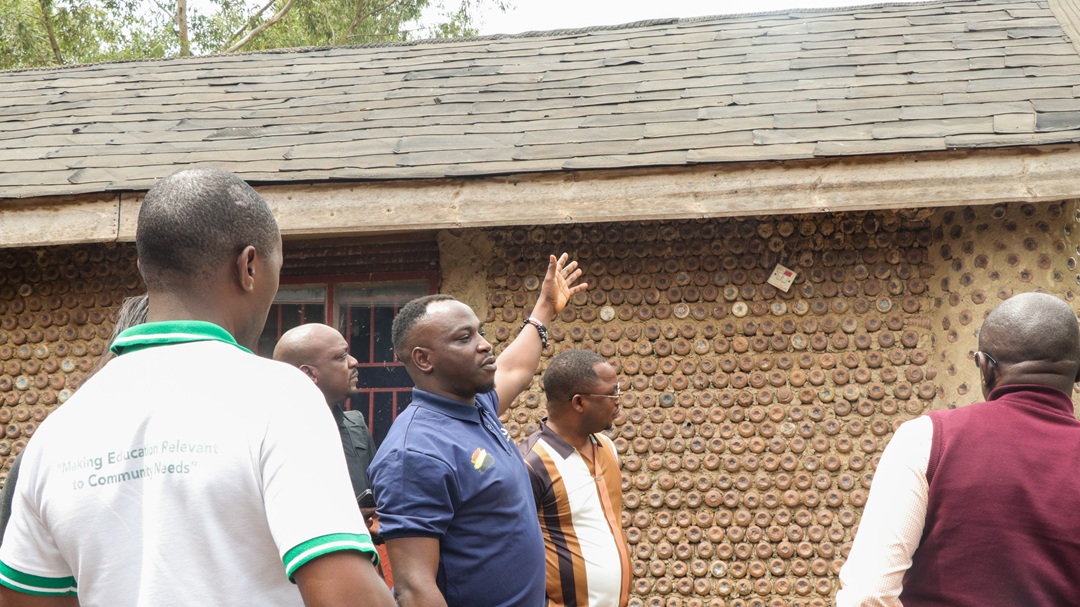
Aligned with Uganda’s competency-based, industry-ready education reforms, a delegation of 20 senior KIU officials took part in the visit. Prof. Ngoma underscored that universities must reposition themselves as active drivers of development rather than remain passive transmitters of knowledge.
“Higher education must deliberately operate in real environments where students encounter industry realities and community challenges as part of their training,” he stressed.
KIU’s strength lies in its wide academic offering and strong multi-campus presence, including its Main Campus and Western Campus. Prof. Ngoma observed that this scale gives KIU a unique responsibility to lead national conversations on how universities can better respond to labour market needs and societal priorities.
At Jangu International, the delegation benchmarked a globally recognised ecosystem built around work-based learning, managed action research, and research-by-demonstration. Prof. Ngoma noted, “The model demonstrates how entrepreneurship and innovation can be embedded within daily learning, enabling students to create value while still in training.”
He further emphasized that building the individual is the foundation of sustainable innovation.
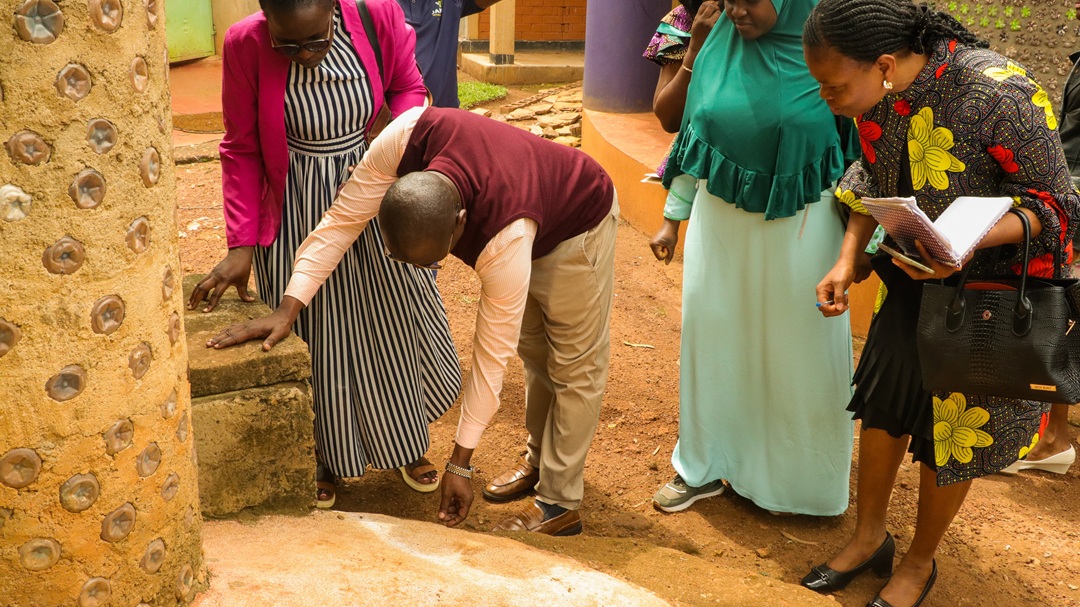
According to Prof. Ngoma, when students are supported to develop confidence, discipline, and purpose, they naturally generate projects that deliver lasting social and economic value. This approach, he noted, explains why the Jangu model has been replicated in more than 20 communities and countries.
The visit highlighted an industry-ready framework anchored on the student, industry, and community. Prof. Ngoma underscored the importance of early industry exposure, structured placement, and enterprise collaboration, while positioning communities as living classrooms for applied learning.
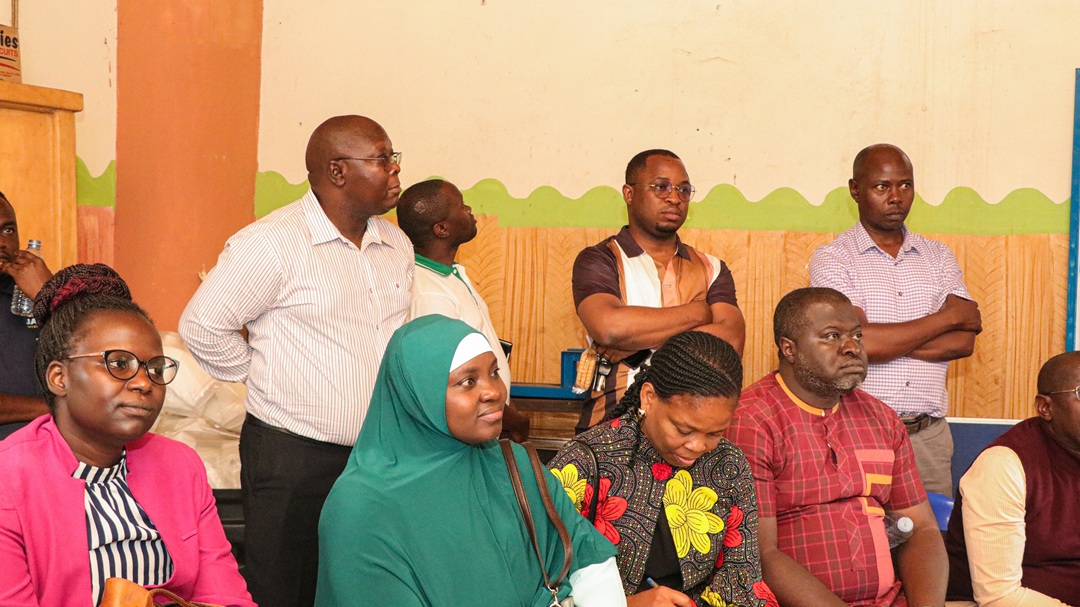
Building on insights from Jangu, the KIU delegation proceeded to Gejja Women Foundation to benchmark its social entrepreneurship and community empowerment initiatives. Prof. Ngoma noted that Gejja provides a practical demonstration of how vocational training can be integrated with sustainable development to produce tangible community outcomes.
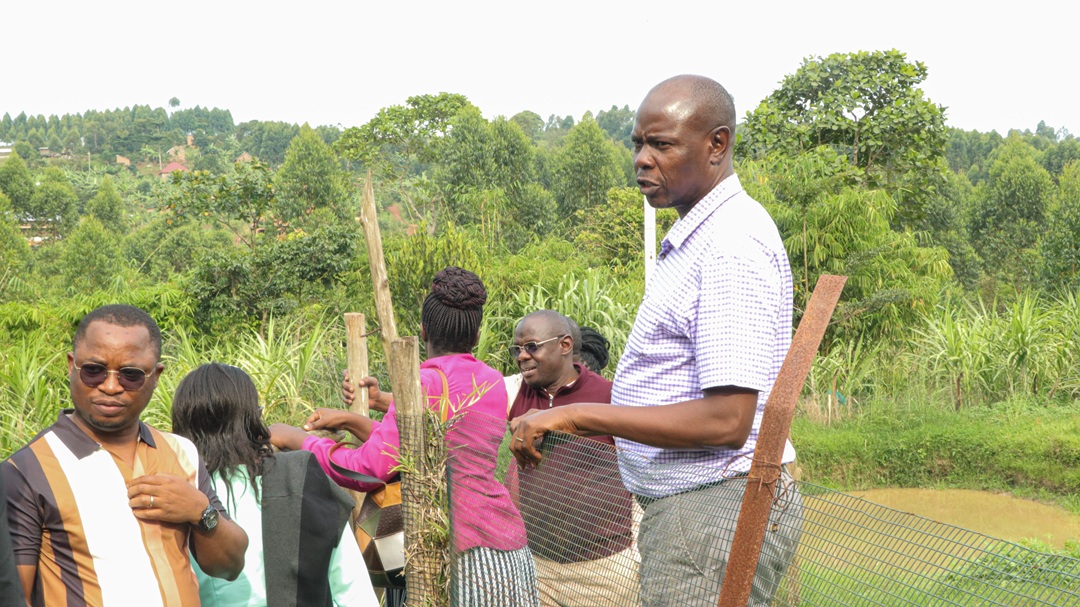
At Gejja, the team examined the Safe Girl Initiative, which manufactures reusable sanitary products to address menstrual hygiene challenges while creating sustainable livelihoods. Prof. Ngoma highlighted the initiative as a strong example of localized innovation addressing social challenges with dignity and enterprise. The delegation also reviewed regenerative agriculture projects designed to tackle food insecurity through environmentally responsible production.
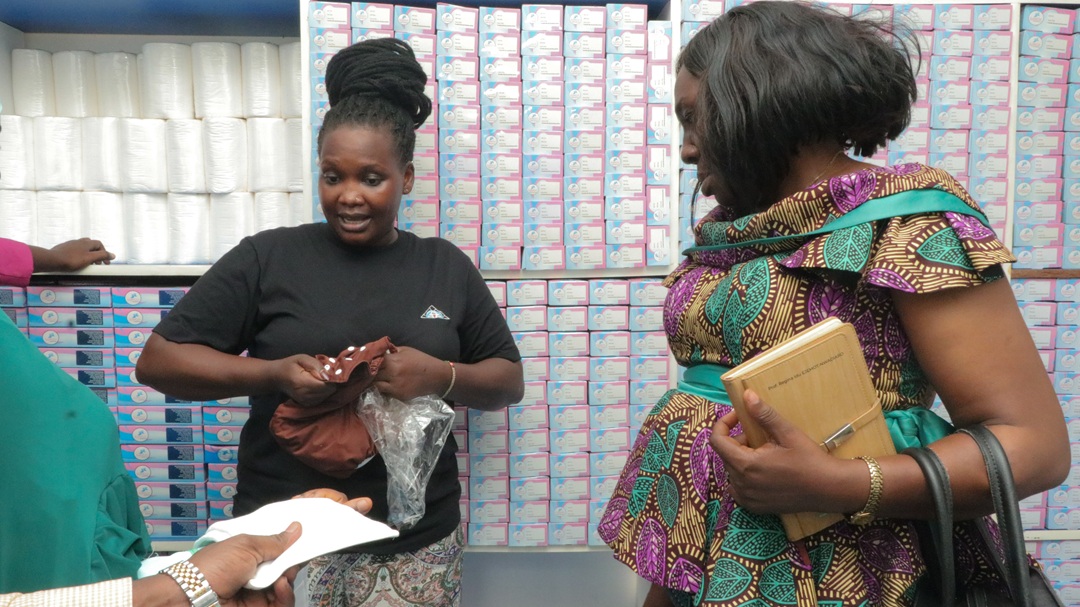
Reflecting on the engagements, Prof. Ngoma emphasized that these initiatives represent action research in its most practical form, where learning, enterprise, and social impact are inseparable. He noted that universities must adopt such models to remain relevant in a changing economy.
The benchmarking mission concluded with a shared vision for collaboration and institutional partnership. Prof. Ngoma observed that Gejja’s holistic model aligns closely with KIU’s mission of producing graduates who are academically competent, socially responsible, and industry-ready.
As Uganda’s competency-based reforms take full effect, KIU’s engagements at Jangu International and Gejja Women Foundation signal a clear institutional direction. By leveraging its multi-campus strength, academic diversity, and commitment to applied learning, KIU continues to position itself as a national hub where education, enterprise, and community development converge.
Kampala International University, Box 20000, Ggaba Road, Kansanga, Kampala
+256-760 502660
+256-700 100808